Orbit 66
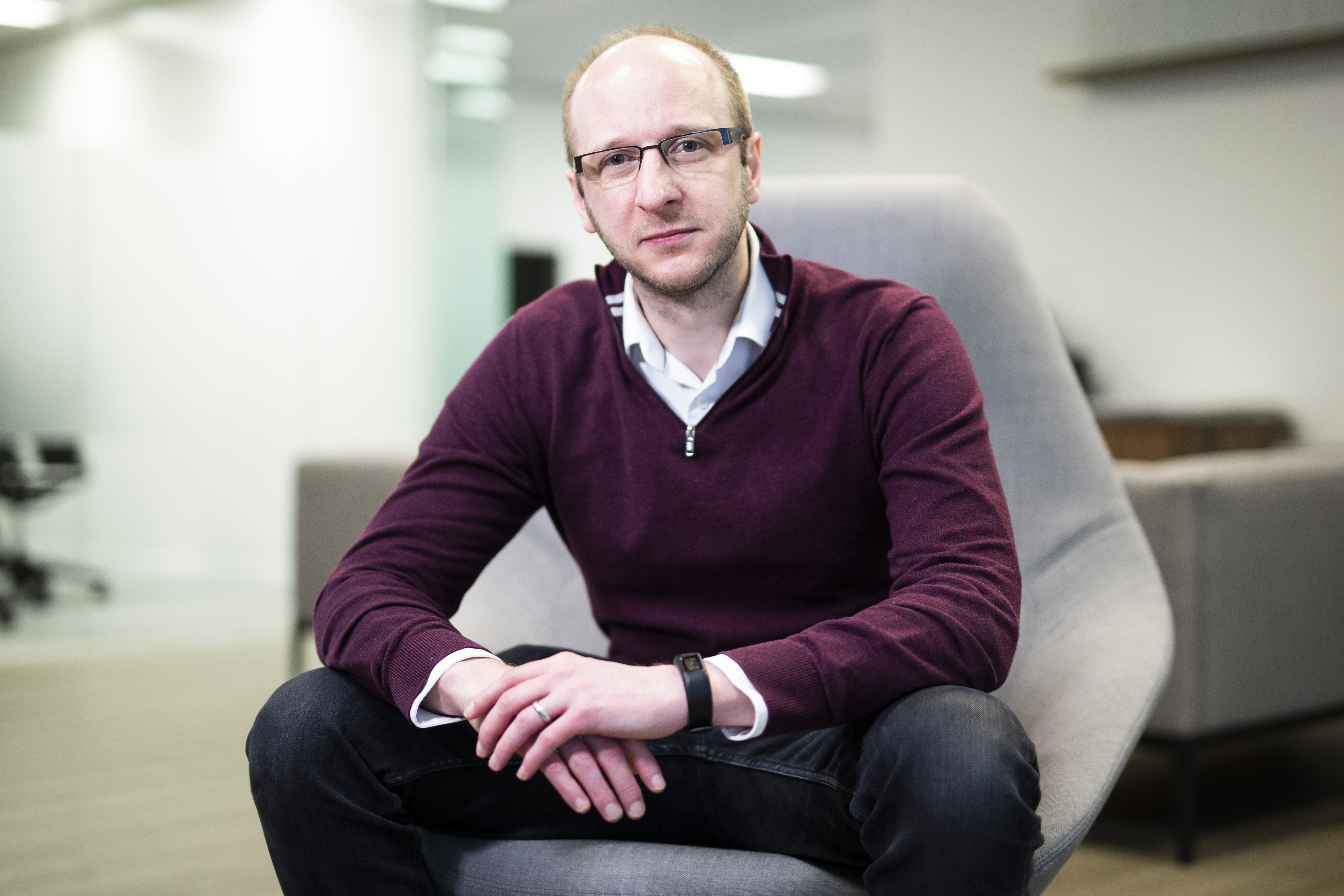
From customer to CEO, Lucanet's Elias Apel on transforming a business through the eyes of the user
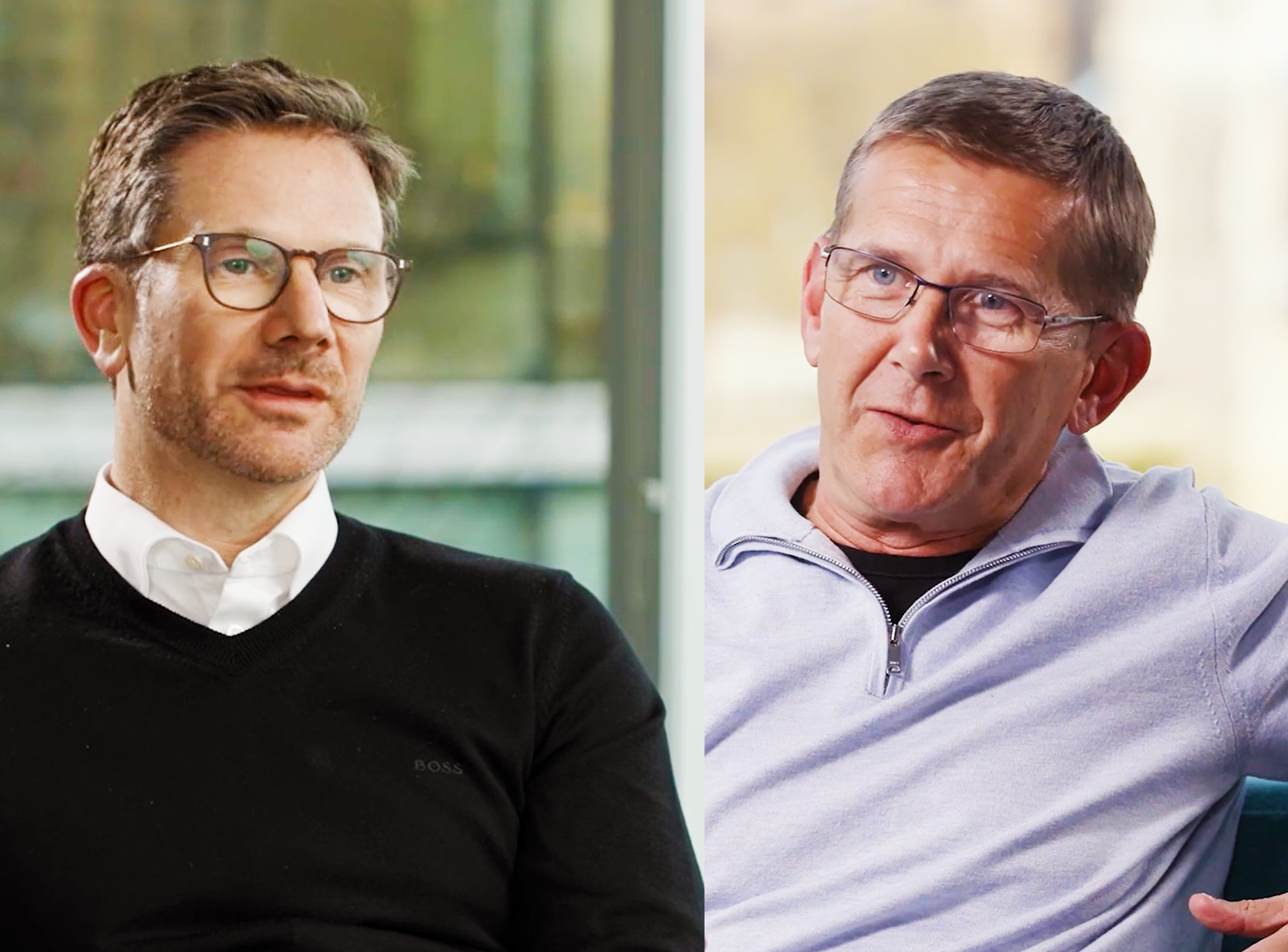
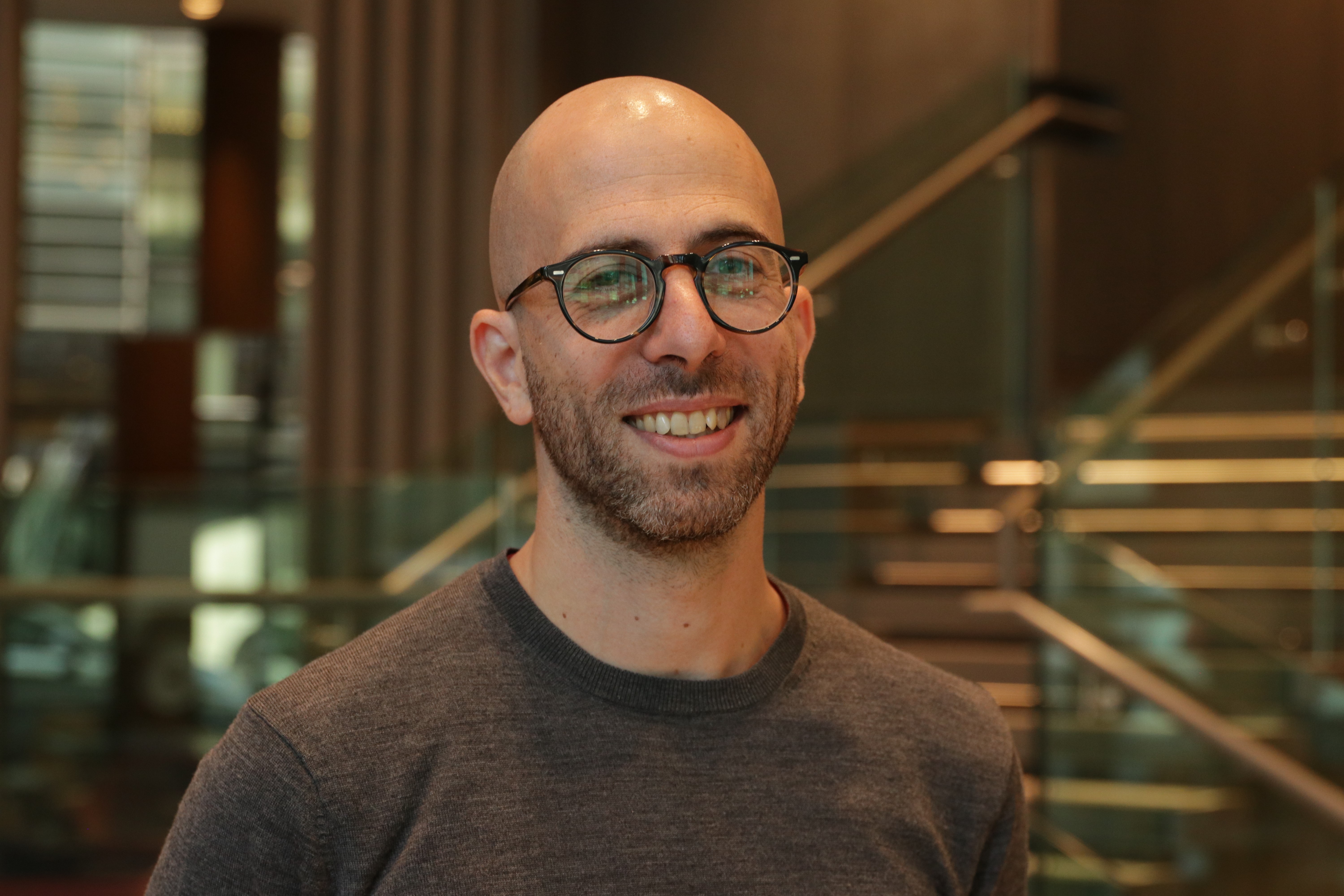
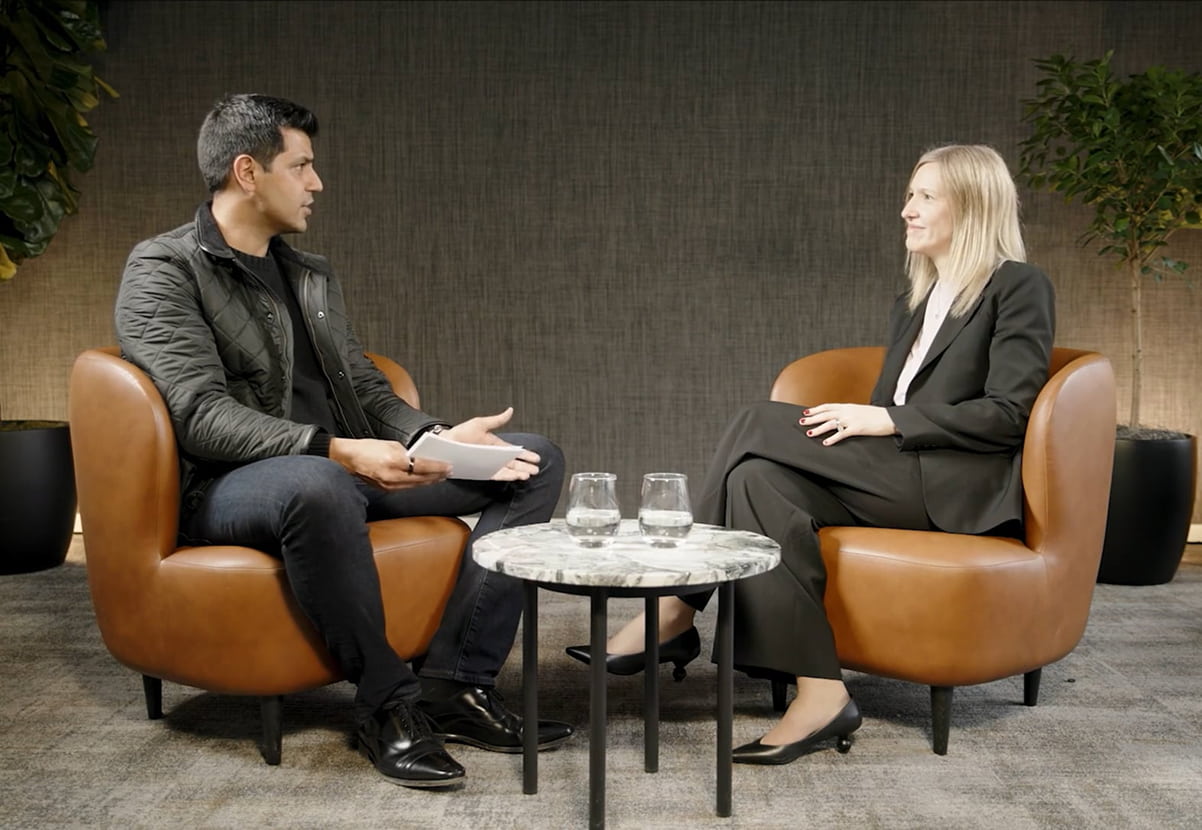
What does AI have to prove when the buyer is a CFO? Elias Apel, CEO of Lucanet, answers from both sides of the table: he was a Lucanet customer, then its CFO, and now leads the company as it brings AI agents into finance and tax teams. Host Sebastian Zureich of Hg asks where AI can stand alone, where it cannot, and what a sceptical buyer demands of any software vendor.
Elias explains why compliance workflows pair deterministic calculation with probabilistic reasoning, and why Lucanet built its data layer, context layer and guardrails before shipping its first agent. He shares how his own finance team, acting as customer zero, rejected 90% of the roughly 200 acquisitions the company reviewed, and why he expects customer adoption to lag the vendor race. For software leaders, there are practical lessons on M&A discipline, building a culture that fails forward, and treating the people function as strategic from day one.
Listen on:
Inside the episode
Lucanet made its own finance and tax team “customer zero” for M&A. They tested every target’s software, and of roughly 200 opportunities reviewed over four years they rejected 90%, leaving a mid-single-digit number of deals.
Elias argues AI can’t stand alone in compliance-critical finance and tax workflows. Reliable calculations still come from deterministic software, with AI adding reasoning around them, though planning and BI give AI more room to work on its own.
Before shipping its first agent, Lucanet built a unified data layer, a context layer and a harness of guardrails and evals, so its purpose-built agents give repeatable answers that finance teams can trust.
Elias expects a vendor race before an outcome race. Customer adoption needs trust, education and enablement, and AI products only reach full capability over time as customers use them, which changes how vendors go to market.
Episode transcript

Sebastian Zureich
Welcome to Orbit, the Hg podcast series where we talk to successful leaders of technology businesses and hear how they've built some of the most successful software companies in the world. I'm Sebastian Zureich, and today I'm joined by Elias Apel, CEO of Lucanet. Elias was a Lucanet customer years before he ever worked there. He later became CFO, using his own company's product.
Today, he is the CEO, selling AI into finance teams. That makes him unusually placed to answer the question at the heart of this episode. What does AI actually have to prove when the buyer is one of the most sceptical in the business? Elias, welcome to Orbit.
Elias Apel
Thank you. Good to be here.
Sebastian Zureich
Elias, can you take us back to when you first crossed paths with Lucanet?
Elias Apel
Yes, happy to. It all started roughly 15 years ago, when I was still working in corporate finance and M&A. In almost all the situations we were involved in, we found that businesses were struggling with the same problems. They were about to increase the complexity of their business quite a lot through the transaction we were working on, and they were not prepared for that.
From an enterprise application architecture point of view, they used a legacy system of record, and most of them used Excel as a BI tool on top of that. That was the moment I started to realise that the way we were solving these problems, by building highly sophisticated Excel models that we had to build, maintain and update, was not really solving the problem in the long term.
So I reached out to Lucanet, and I discovered in the first projects I was involved in that this was exactly the solution we were looking for. We were looking for something that not only helps the business gain transparency in the financial numbers, but also builds value beyond the finance function we were helping at the time. And I realised that the value was still there after we left. They were no longer dependent on us as their advisor, but had a tool at hand to become self-sufficient.
Sebastian Zureich
Okay, now you've already revealed that you were looking at Lucanet as a partner or customer before you joined them. What is the red line throughout your career, and how would you describe it?
Elias Apel
I think I was always interested and excited about building things. That's the red line. Even in the banking and consulting days, I was always involved in some side projects to build things, right? The first one was building international joint ventures with other partners, and the second was building a business from scratch.
And then ultimately at Lucanet, building new things, both on the product side and from an organisational point of view, became business as usual in my role. It also allowed me to develop as an individual and as a professional, both at the same time.
Sebastian Zureich
Before we go back into finance in general, maybe as context for the listeners, what does Lucanet do, and what is its history?
Elias Apel
So over the last 25 plus years, Lucanet developed from a single point solution for legal consolidation, a very siloed use case that we served for many, many years, to a global cloud platform covering the most compliance-critical and business-critical workflows across finance and tax. That includes closing and consolidation, but also disclosure management, tax compliance and reporting, banking and cash management, and operational planning.
Sebastian Zureich
That's a perfect segue into my next question. In finance, numbers are audited, and mistakes can create huge issues, right? So if you think about AI, is the CFO a particularly critical buyer, and is finance even a good field of application for AI?
Elias Apel
Yes, I think it is. But there's a "but". First of all, the CFO alone is not making every buying decision, right? It's also the team around the finance function. I discovered that quite fast when I became CFO at Lucanet. It needed way more than just myself to make the calls on how to develop the enterprise architecture so that it would serve my future needs, given the growth I had to cope with and the complexity I had to handle.
Secondly, and this matters especially in the office of the CFO and the finance and tax function, it's always a combination of deterministic logic and probabilistic technology. That combination is what creates the trusted and reliable outcomes the CFO can use. And this is where AI adds a component to the tech stack that wasn't there before.
Sebastian Zureich
Do you think it could ever work on a standalone basis, AI in finance, especially in such a regulated niche as yours? Or would you always have to combine it with deterministic logic?
Elias Apel
I think it really depends on what you're covering, which workflow we're talking about. In non-compliance-related workflows, it works quite well. We see that, for example, in some BI use cases, or in operational planning, for content in an FP&A context. But when it comes to compliance-centric workflows, it's always that combination, because you need reliable calculations made by a deterministic piece of software, and then you add the reasoning around it with AI as part of the overall solution.
So it's the combination there, but it depends on the use case and the workflow.
Sebastian Zureich
Yeah, right. Considering you've been a CFO yourself, you've led finance teams, you've led tax teams, so you've very much been in the shoes of your customers today. How far is this an advantage in your current role, as the leader of a company trying to serve these very customers?
Elias Apel
I'd say it's a big advantage, but it also comes with a lot of responsibility, because people look at you in a different way. They want to have a peer-to-peer conversation, and I think that's what makes the difference. To become a trusted vendor, you have to understand customer workflows. Since I've been in the shoes of the CFO, I know exactly how these workflows work, but I also know the struggles, the complexities and the challenges that come with them.
So it definitely helped me. But it also requires me to really stay at the forefront of what's happening, especially from a product point of view and a workflow point of view. We've incorporated that at Lucanet in many ways, in how we ideate around new innovations and then develop new products. What does the workflow look like, and what are we really trying to solve?
Sebastian Zureich
Are there typical questions that a CFO would always ask that a software vendor normally would not think about beforehand, because CFOs just have a certain mindset?
Elias Apel
Yes. I recently had a conversation about that with my go-to-market team. One of the key questions you should ask is: explain to me your workflow. We're used to the SaaS world, where there are so many tools all trying to cover a certain use case. We have a tendency to look at these isolated jobs instead of the real end-to-end workflow.
So the key question, which I don't think many vendors actually ask, is: what does your workflow look like? Where does it start and where does it end? Because it's not all about the one piece of that workflow you're trying to solve, the first mile, the second mile, whatever. It's about where the data comes from. What format does it have? When does it need to be touched by a human? When does it need to be processed by a deterministic software product, or maybe by AI? And so on and so forth.
Understanding that end to end is something we really try to focus on. It's also a differentiator at Lucanet, since the transformation we made from a legal consolidation point solution to a platform play.
Sebastian Zureich
Yeah. So the CFO wants to understand what your workflow looks like. That fits nicely to my next question. Having been a CFO yourself, using Lucanet back then, what did you notice about the product or the workflow that you probably wouldn't have noticed when you were a customer of your own product previously?
Elias Apel
So first of all, the key principles at Lucanet were always providing out-of-the-box software that is very fast to implement, and thus delivers fast time to value, and is very easy and intuitive to use. I realised quite early, working in go-to-market from a selling point of view, that these core principles were important to emphasise.
But when you're using the tool, it's a different story. You can really feel the difference in your day-to-day work. The easy and intuitive usage is absolutely critical these days, because we want functional users to be able to administrate their software on their own. If you want to change a structure, or make an adjustment here and there, you can do it yourself. You don't have to code. You don't have to call an admin or an advisor or a consultant to make these adjustments, you can make them on your own.
Experiencing that hands-on in my day-to-day work changed how I looked at the product again. And it makes it even more credible when I talk about it these days, because I've been there, I've used it, and I've really seen the impact and the value it created.
Sebastian Zureich
Okay. Thank you. Let's change gears. You were an M&A advisor for give or take ten years, I think, on the sell side. Now you're the CEO of Lucanet and you lead the M&A strategy. What has that perspective as a previous advisor brought you, and how do you think about M&A for Lucanet in your role as CEO?
Elias Apel
Just to make it clear for everyone who's not familiar with the role of an M&A advisor: you also buy into a deal thesis, because whether you're paid or not depends on the success of the deal. But that also means you're only incentivised to do the deal. You leave the situation the moment the deal is signed or closed, depending on how it's done, or maybe after the famous closing dinner. You're not really involved in making the deal work, right?
I think this is the major shift in perspective on my side. I was involved in many transactions, and I wouldn't say that many of them were actually successful in hindsight, but I couldn't really judge why, because on paper it looked absolutely obvious. It was clear that it would work, right? But then in reality, why did it fail?
That realisation is something I took into the CEO role and into running M&A strategy at Lucanet. I was very well aware that it's better to do no deal than to do any deal. So we spent a lot of time in preparation, a lot of time in due diligence, and a lot of time in benchmarking and looking deep into the technology, to make sure that the deal we were looking at, we'd also be able to make work. And make worthwhile, at the end of the day.
Sebastian Zureich
Right. As far as I'm concerned, Lucanet has been very selective in the M&A you've done. What would be your top pick in terms of successful M&A, and why?
Elias Apel
Over the last four years we've looked at probably 200 M&A opportunities. We've done a single-digit number of deals, mid-single digit. And I think there were two factors that were super important.
At the very beginning, we tried to really focus on scope M&A. We tried to find a technology that would allow us to grow beyond just consolidation on our platform, but not in a random way. Let's get back to those workflows. How would we create adjacencies? How do we create incremental value by adding certain jobs to be done, certain workflows, to the consolidation and close functionality we already had? That was the one thing.
Secondly, we really made sure we would only buy a piece of technology that would allow us to stay true to our core product principles: out of the box, fast to implement, fast time to value, easy to use. Only if those three boxes were checked would we look into it in more detail. If they weren't, we would discard it and not look any further, because we saw such a massive risk of our customers looking at that new value proposition and thinking, "But this doesn't feel like Lucanet anymore." That's something we didn't want to lose. We wanted to make sure it survives and sustains all the transformation and all the growth we were going through.
Sebastian Zureich
What can others take away from your M&A experience? Is there any particular advice, from what you just described, that is generally applicable to other software executives as well?
Elias Apel
I think: put yourself in the customer's shoes. How would it feel from a customer perspective if a vendor that is a trusted vendor for a very specific thing approached you and said, "I now also offer X, Y and Z"? The same applies, by the way, for scale M&A. How would this feel from the point of view of the customer base you're acquiring? We've now started to add that scale M&A motion to the scope M&A motion, but we always thought about how it looks from a customer point of view.
My recommendation would be two things. If possible, involve your own organisation. I've turned our own finance and tax function into our customer zero, not only for new releases but also for M&A. For each scope M&A deal we did, our finance and tax team was involved. They were testing the software. They would give direct feedback. And as you can see from the 200 opportunities we looked into, in 90% of the cases they said, "No, I wouldn't buy it." That was absolutely key.
And then also involve your customers and your partners. In due diligence we involved them too. Under NDA, a certain number of customers and partners looked into the product and gave us very open and frank feedback. How does it feel? Is this what you would expect Lucanet to add to the core value proposition we were known for?
Sebastian Zureich
Yes. And talking about it now, I realise how important this role as a customer, as a user of the product, must have been for you. I wasn't really aware before that you applied this to the whole organisation and made it a key working principle. That's cool. Lucanet is quite a holistic transformation story the way I look at it. Can you describe what this transformation entailed, and what listeners can learn from it?
Elias Apel
Yes. I always tell the teams that our business model is transformative by nature. We started years ago transforming to achieve where we are today, very simply with a cultural transformation. We had to build a culture that was no longer centred around the founders, but around our core value proposition and the responsibilities that each and every one had within the leadership team, and even beyond.
Building such a performance culture, but also a culture of taking responsibility, owning your jobs to be done, and a space where it's allowed to fail, and especially to fail forward, was something we had to build in the first place. Once we built that muscle of transformation, that space for success but also for failure, for figuring things out and experimentation, it allowed us to hyper-accelerate our cloud transformation. So: scale up our R&D organisation, hire 120 software engineers to build the new cloud platform, and then transform the go-to-market organisation to be able to sell not only a point solution in legal consolidation but a full platform offering that goes way beyond the compliance use cases.
I think it's really a muscle we started to train five or six years ago, and it was super important for the transformation we are now in. After those transformation projects, we grew internationally a lot. We scaled through new geographies. We also moved from a very German-centric, maybe DACH-centric organisation to a true global setup, with leadership functions across all the important hubs these days.
And now the AI transformation. Obviously that benefits from all of that. It's the foundation that allows us to accelerate on the AI transformation, because we've built that muscle. And we've also built the tech stack that now allows us to do all the exciting things AI has to offer.
Sebastian Zureich
What you just described sounds quite daunting, because one could read it as: I had a vision four or five years into the future, and I was building for that from day one. Looking back, is this what it was, or is it maybe less daunting than that?
Elias Apel
I don't think we had a very clear vision. What we knew is that in order to stay ahead, to be at the forefront of what's happening in software as a service, in cloud technology and now in AI, we needed to be able to adjust super-fast and remain agile enough to adapt to whatever was happening in the market. That's not a vision as such, but it's something we expected to happen over the course of all these years. That's why we wanted to build that basis, build that muscle, to participate and to stay at the forefront.
I think someone once said that tech is an infinite game, right? We knew that years ago, that we would embark on the journey of cloud software, software as a service, and that by itself transforms all the time. Your product is never done. You continuously innovate and you continuously ship new functionality. And that requires that muscle in an organisation.
Sebastian Zureich
Yeah. And obviously everything is ever accelerating.
Elias Apel
One hundred percent. And the acceleration makes it even more complex. If you haven't built that muscle, the transformation is super hard right now.
Sebastian: If you don't have the basis.
Elias Apel
Exactly.
Sebastian Zureich
I mean, AI has obviously been here for several years, but I noticed that you massively changed focus when AI became really tangible. Where did you start on AI from a product point of view?
Elias Apel
We started with the obvious things, like GitHub Copilot, rolling it out back in 2023, 2024. But for me, and you mentioned my focus, there was a pre-January, February 2025 and a post-January 2025. It was all about us discovering the notion of agent orchestration, and how it would allow us to accelerate, on the one hand in product development, and on the other hand in adding incremental value to our platform.
That was the point where I started to switch. I had a rather go-to-market-oriented focus before, and an M&A focus as well. But then I shifted much harder to the product and tech side, and alongside my CTO I was able to accelerate by consistently rolling out an agentic SDLC, and by focusing, at a very high cadence, on what we need to do next in terms of product. We knew that product strategy would become absolutely key for the future, as would having very good visibility on where things are heading, and being able to pivot in one direction or the other if necessary.
And the production of the code itself is not really the bottleneck anymore, because the agentic stack lets us create so much more output. SDLC stands for software development lifecycle. So it's all about building that strategy and being very thoughtful about what you're shipping and building. This has allowed us not only to become much faster in how quickly we can ship new product functionality, but it has also made me much more product-centric and customer-centric in my thinking about how Lucanet will develop in the long run.
Sebastian Zureich
Let's pick up that thought about the ever-accelerating opportunity to ship code. But maybe one other question before. Listening to you, it sounds like a very smooth ride. You said you were focused on go-to-market, then M&A, and then came AI and you shifted your focus. My perception of reality is that you were also still in the midst of the cloud transition. It all worked out very well, but it probably felt a bit bumpy along the way as well. Are there things you'd say you learned the hard way, either in terms of AI or this transformation story overall?
Elias Apel
I think the first thing is you need to find your focus. That applies to everyone, in every world. I realised quite fast that in order to really make a difference as a leader, you need a very, very clear focus on where you believe you can really add incremental value. It's not you sitting there listening or throwing in some comments. No. Where can you really add value to where the company is heading?
Secondly, coming back to that transformational muscle, failure is part of it from the beginning. We failed so often with regard to the tooling we were using. It wasn't that on day one we discovered that agent orchestration would work well with Claude Code, for example. We experimented with other technologies and other solutions available in the market, and we had to fail a few times to figure out what works well with our tech stack, with the kind of solutions we were building and the kind of value we wanted to bring to the customer.
One important learning was also that you need the right mindset across the organisation. We spent a lot of time, back in early 2024 I think it was, preparing our company at the kick-off for what was ahead of us. Making clear that this is the start of a journey, and that you need to embrace the power and the opportunity ahead of us and be part of that journey. If not, it would be really hard to keep up, and to stay committed and fully focused on what we want to achieve. So building that culture and that mindset was absolutely critical at that point in time.
Sebastian Zureich
You just said you need to focus to add value, and I assume you implied that as a CEO you need to do this. Something you've always done particularly well is living several years in the future, and I think that also took people along the way, because you gave them a vision. How do you do this? Where do you get the mental space, and how do you allow yourself to be ahead of an entire organisation when you also run a very busy day-to-day diary, as I can confirm?
Elias Apel
I think it all starts with being humble and being aware that you don't know everything. It's not a joke when I say that I'm working very hard every day to become ready for the CEO role. It's really that notion of continuous learning. I have a very strong interest in learning more about what's happening out there, and having tons of conversations about why the market is developing in a certain way, why customers prefer this over that, and so on.
So it's not that I have all of that from day one. It's me diving into it, having tons of conversations, learning, and then making sure that I communicate only the things that are really relevant for Lucanet. There's so much to learn and so much to consume, so much noise, that my role is also to filter it and make sure we only listen to what's really relevant for us.
My strategy is to translate that and provide context, because commitment, energy and the willingness to move forward come from a clear purpose, but also from having the context around the why. Why are we doing it? Why are we doing it a certain way? Adding that context is super important, and it's one of my key responsibilities at Lucanet.
Sebastian Zureich
Okay, thank you for the detour, but I think that's actually one of your superpowers. Going back to the possibility that you can now ship code very fast, there's a huge temptation to ship features in high volume and very speedily. Where do you say no? Where have you said no already, despite this abundance of opportunity and possibility?
Elias Apel
What we try to do differently, and I think we've been quite successful at it, is not to simply ship something, but to first think about the foundation. By foundation, I mean our platform. We've put a lot of thinking into how we build that platform for the age of AI. We talk about a unified data layer, giving the customer the possibility to look not only at finance and tax data but also at operational data, people data and so on, which is required to make the right decisions.
And then we add a context layer to it that enriches that data so you can build agents. Purpose-built agents, not random AI functionality, but agents with certain guardrails and evals to make sure the results they deliver are reliable and repeatable. If you ask one and the same question, you should get the same answer. That's a super important skill an agent has to deliver on the platform in order to be trusted and to become reliable. We've put a lot of thinking into the harness, the surroundings of that.
Sebastian Zureich
Before you continue, can you explain what the harness is, maybe?
Elias Apel
For me, it's the whole platform piece with all the guardrails. What an agent is allowed to do and what not. Which data it can access, but also which data it's not allowed to access. It's the surrounding the agent is operating in. We put a lot of thinking and a lot of work into that before actually shipping the first agent. Now we've shipped our family of agents. All of them are curated, purpose-built agents, but they are all built on our own tech stack, using our own data layer, context layer and agentic layer.
Sebastian Zureich
Side question: what is your favourite agent in your life? It can be at Lucanet, but it can be something else as well.
Elias Apel
It changes, but at the moment I'm most excited about the Model Agent that we shipped, because it allows businesses using our operational planning solution to build models without building a single formula. You provide the agent with context: your business model, what you want to build, and what the variables are. Maybe you don't even add the variables. You just tell it, "This is my business," and the agent figures out the key drivers and builds the whole model, including all the formulas and all the connections, by itself. But not without human approval. It suggests the model, you fine-tune it, then you create it, and then you can actually use it.
It's super powerful, especially at the moment. Now it's September, so it's budget phase. Businesses really want to build a reliable budget. They want to calculate different scenarios and still have that traceability and transparency to understand what has been built. What does this formula tell me? How can I create another scenario, and another, super fast? Everyone who has worked with Excel or other solutions knows this can be quite cumbersome work. With the Model Agent, we've really shown what good can look like.
Sebastian Zureich
Do you use it yourself?
Elias Apel
Yeah, I've used it myself.
Sebastian Zureich
Okay. Making it a bit broader again in terms of AI opportunity. We've just been through an exercise of AI-focused product strategies for our entire portfolio, and for me the number one opportunity is actually in the TAM, the addressable market of all of our software companies. Especially if you think in terms of jobs to be done, the addressable markets are ever increasing, because we can draw in more workflows as software vendors and create a valuable product for our customers. Where do you see the biggest opportunity in terms of AI?
Elias Apel
First of all, I also see the opportunity you're describing, that TAM expansion. From a Lucanet point of view, it's important to understand that our customers currently pay a multiple of what they pay for software on talent, on consulting and on outsourcing. So it's not only the human labour dimension that is relevant for us, but also the other two: the professional services element and the outsourcing element, which we are changing in a way by adding AI to our platform.
We provide a superpower to the office of the CFO, the finance and tax function, to become much more self-sufficient. It still requires expertise, obviously. Some of the compliance workflows, on the tax side for example, still require expertise to issue the final tax filing. But being able to do things on your own within your finance and tax functions allows these businesses to become much more powerful in a very lean setup. So we have a much broader perspective on that TAM expansion, and I think it adds to what you were saying.
Sebastian Zureich
Is that applicable to other categories of software apart from finance, or office-of-the-CFO software, as well?
Elias Apel
I think so, yes, especially in some very specific use cases. The outsourcing notion is quite a special one in finance and in tax, and it differs from geography to geography, so you can't just apply it to everything. But you see a really high level of outsourcing in some areas, for example around tax activities in Germany. We have been working in a system that fostered that for quite a while.
And I think now is the time for these functions to gain strength and new capabilities, and to be a business partner for the rest of the business, coping in a much better and much more automated way with the complexity of the data and the compliance workflows they are responsible for.
Sebastian Zureich
Last question on AI. People obviously have lots of different opinions, and I want yours. What do you think will happen faster than people expect around AI? What will happen slower than expected? And overall, what do you think will be the next big things in AI development we're headed towards?
Elias Apel
Okay, that's a lot. Let's start with what's happening faster. Software development itself will accelerate. Right now we can ship at an unprecedented speed, but I think we haven't by far reached the limit of what's possible. The complexity rises on the software vendor side for businesses that are not yet on an agentic SDLC. I think you can really see things move in two directions.
Those on an agentic software development lifecycle are able to adopt the latest developments in LLMs and new capabilities fast. If there's a new super-powerful LLM available tomorrow, we plug it into our agentic software development lifecycle and move along, and we benefit from day one. That is much harder to keep up with if you haven't made that shift.
Sebastian Zureich
Right. If you don't have the basics.
Elias Apel
Yes. And the basics include, by the way, the change management, and the cultural transformation in your tech department that comes along with it. We started that very early at Lucanet.
What is slower is actually the adoption. I think we will always see a vendor race before we see an outcome race on the customer side. There's always an adoption gap between what the vendors are offering and what the market then adopts. I'm not saying it goes significantly slower, but in some categories it's not the case that the moment you have a capability, everyone adopts it right away. It requires trust, it requires education, it requires communication, and it requires training and enablement to some extent, to fully tap into the potential the technology already has to offer and use it on a day-to-day basis. I think that's much slower than some believe, and than the noise out there sometimes implies.
Sebastian Zureich
Yes. So this is the time when we question what the big labs tell us about the LLMs. They tell us one thing, and in reality there's a disconnect. And this is part of the reason, I guess.
Elias Apel
Yeah. And that's also critical for product development. If you know exactly what's happening on the customer side, you're able to adapt to that and build a path towards the customer generating the full value. By the way, that is also changing go-to-market, because in the past, the moment you deployed a piece of software, it had the full capability. With AI, it only gains full capability over time. You need the adoption, and you need the data usage, to allow the agentic functionality to deploy its full power at some point.
Sebastian Zureich
And I guess you sometimes don't quite know how the user will actually use the piece of software, right?
Elias Apel
Exactly.
Sebastian Zureich
And that's why early adoption...
Elias Apel
Early adoption is super important, right? Having a customer advisory board, and testing with pilot customers at a very early stage. Absolutely. And so the last point was about...
Sebastian Zureich
Where do we go from here?
Elias Apel
Where do we go from here? One of the things we experiment a lot with, and it goes back to the discussion we had earlier around workflows, is agentic services. The question is how we build a platform that generally transforms how customers, consultants, experts, but also the regulator, collaborate and interact with each other. We're already seeing that to some extent with our XBRL product, where we're able to not only provide...
Sebastian Zureich
What is that?
Elias Apel
Sorry, experimental: an XBRL engine. It allows a business to make a narrative report, a quarterly report or an annual report, machine-readable. It tags the elements of the report, and a machine can then read it out. It's used in the context of ESEF, the European electronic filing format, but you can also use it for ESG reporting and so on.
In this segment, we are already able to provide a technology solution to all the dimensions of the market: the customer, the auditor, but also the regulator. We have a customer product, we have the auditor product, and we have the portal where you can review these XBRL filings.
If you take this and think about what agentic services and agentic collaboration could look like in the future, to facilitate the exchange of information between a customer, the regulator and the auditing institutions, for example the Big Four or a tax auditor, I think it's a very interesting exercise. How will this transform the way we deliver software, the way software is being used? And what's our responsibility as a software vendor, not only Lucanet but everyone in our category, to contribute to the speed and level of innovation in our quite conservative environment around taxes and finance?
Sebastian Zureich
I have one last question, if I may, and I want to frame it a bit. You have an amazing career so far. You're the CEO of a company with over 200 million of ARR[MK1.1][RB1.2][MK1.3], and I can confirm that you are one of the people I go to for advice, and you always go right to the bottom of it. Can you share some of your wisdom with the wider audience? The specific question is: what would be your recommendations or advice to aspiring CEOs?
Elias Apel
First of all, thank you very much for the flowers. As I said earlier, I'm working every day to get ready for the role. But yes, there are a few recommendations I'd make.
The first one is to consider your people function a truly strategic function. You can't start early enough with building the right culture, the right mindset, the right environment in a business. The later you start, the harder it gets to go through the kind of transformation we're going through at the moment.
Secondly, build the space and the environment that allows people not only to strive, but also to make mistakes, to fail, and to fail forward fast. Then build on those learnings and accelerate on the back of them.
Sebastian Zureich
Super. Thank you for sharing this. Thank you for the episode. That was great fun.
Elias Apel
I really enjoyed it. Thank you very much for having me.
Sebastian Zureich
Awesome. Thank you.
The views and opinions expressed in this podcast are those of the contributor(s) and should not be taken to represent the views or positions of Hg or its affiliates. Statements are provided for general informational and discussion purposes only and should not be construed as investment, legal, accounting or other professional advice. Statements contained in this podcast, including those about portfolio companies, are based on current expectations or estimates and information supplied by those companies, and are subject to a number of risks and uncertainties. Actual results, performance, prospects or opportunities could differ materially from those expressed or implied, past performance is not a reliable indicator of future results, and you should not place undue reliance on these statements.
Orbit episodes
Orbit Podcast
The rogue agent problem: A conversation with Gil Elbaz at the Hg Digital Summit
Episode details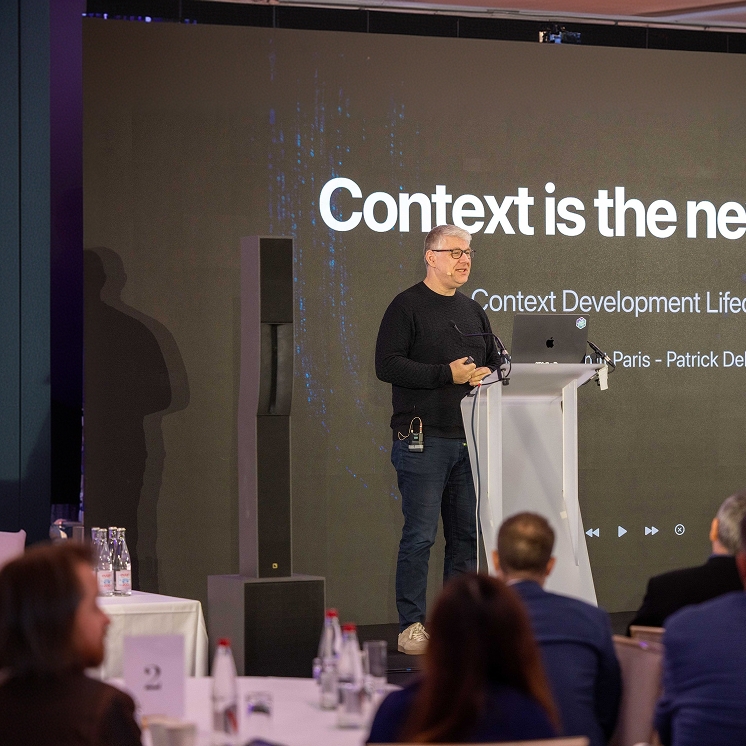
Orbit Podcast
Patrick Debois on why context is the new code: a conversation from the Hg Digital Summit
Episode details
Orbit Podcast
Marjorie Janiewicz of Mistral AI: flipping the adoption curve - why SaaS with data can win in an AI world
Episode details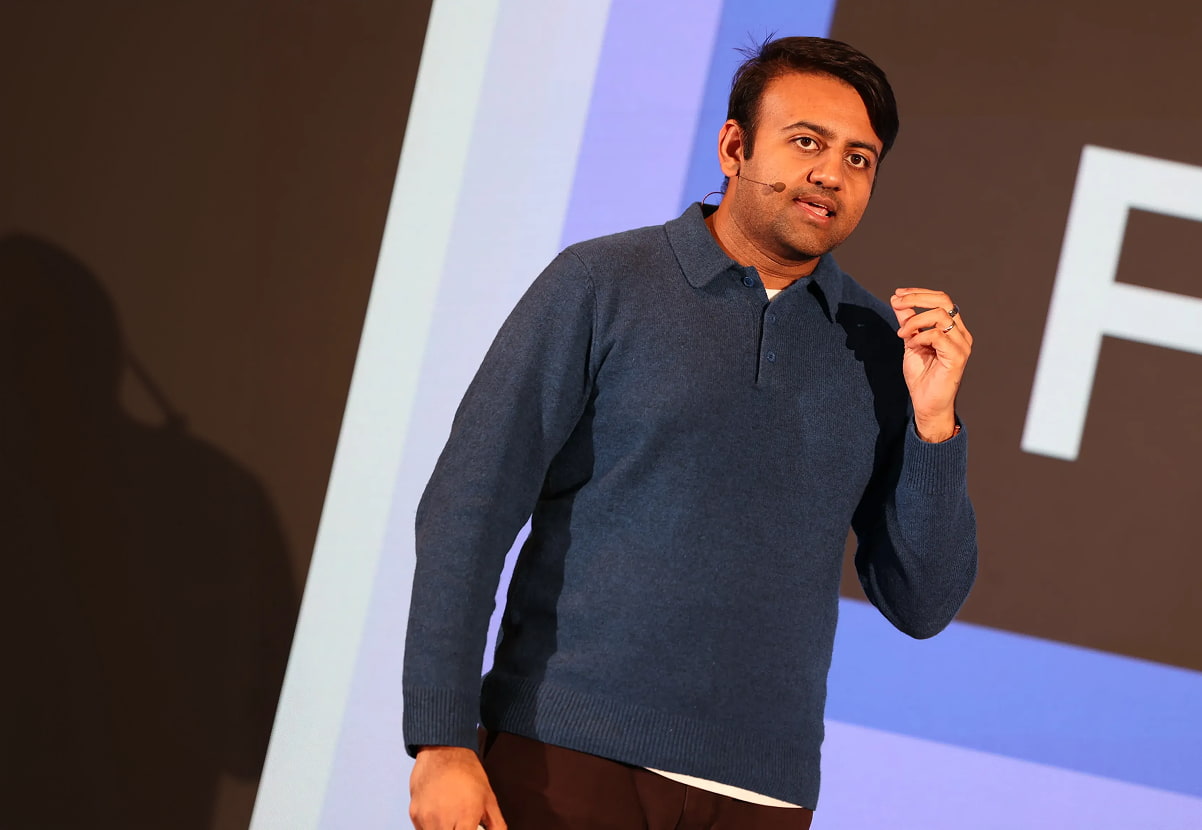
Orbit Podcast
The race for alpha: Varun Anand of Clay on inventing a new role and why GTM needs a new AI strategy
Episode details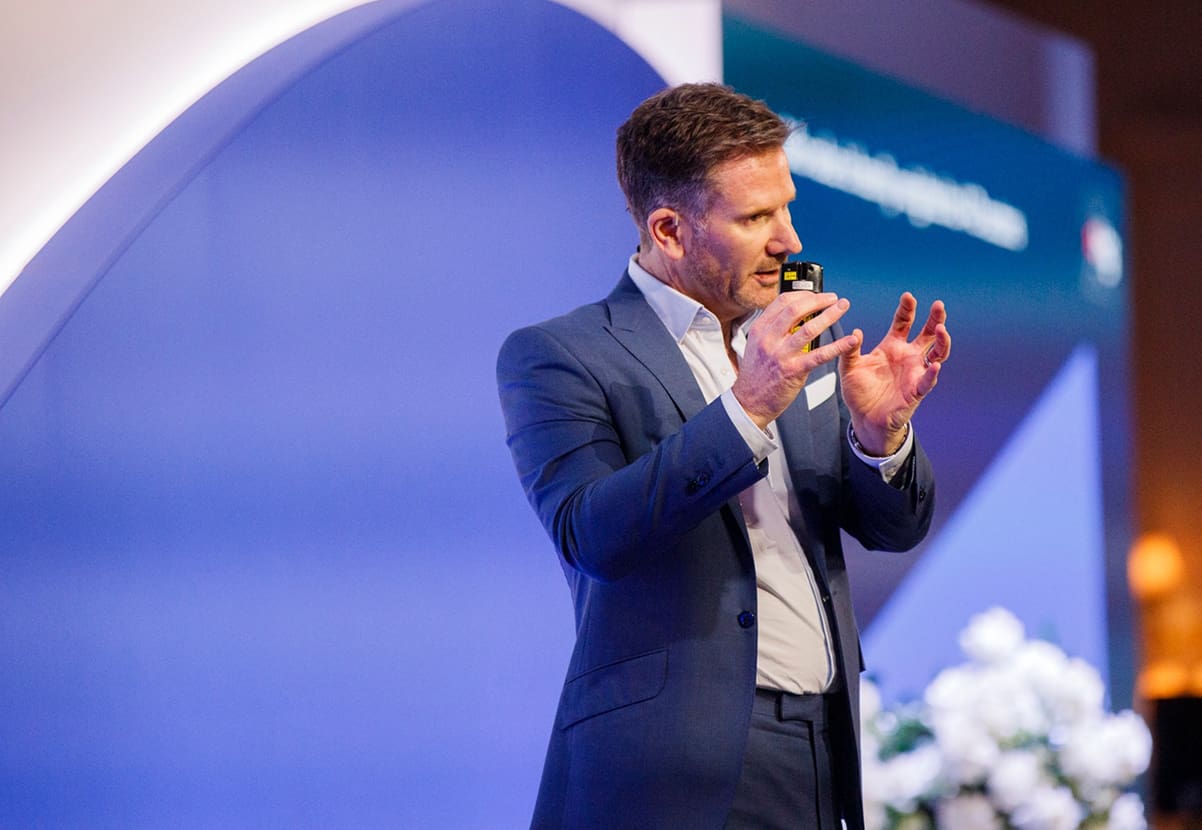
Orbit Podcast
Everything, everywhere, but not all at once: Matthew Brockman on what's really happening in software right now
Episode details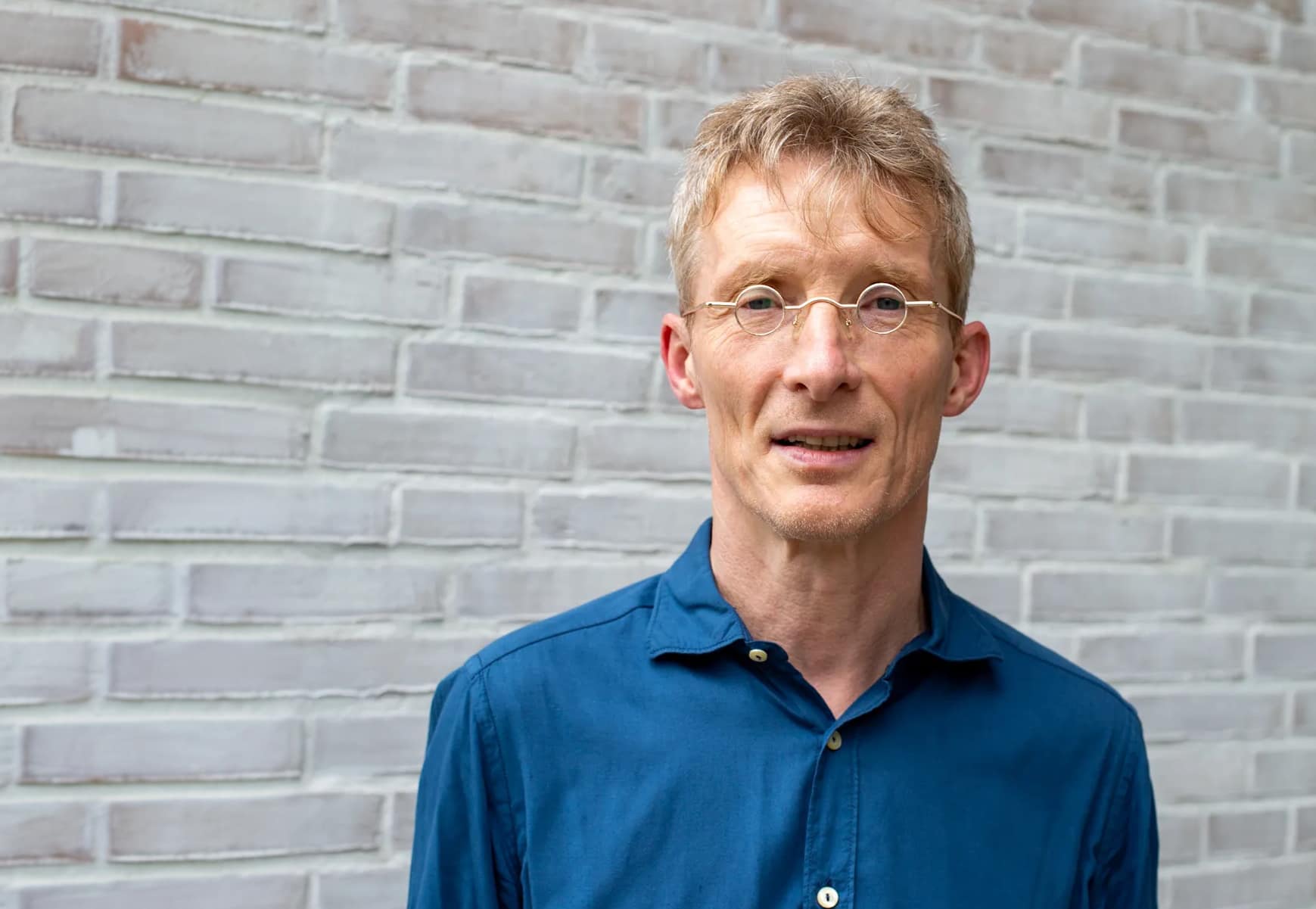
Orbit Podcast
A certain level of chaos is healthy: Franz Faerber on fighting bureaucracy and the importance of deep domain knowledge in AI
Episode details
Orbit Podcast
The corporate immune system: Google Cloud's Daniël Rood on building Europe's first AI team
Episode details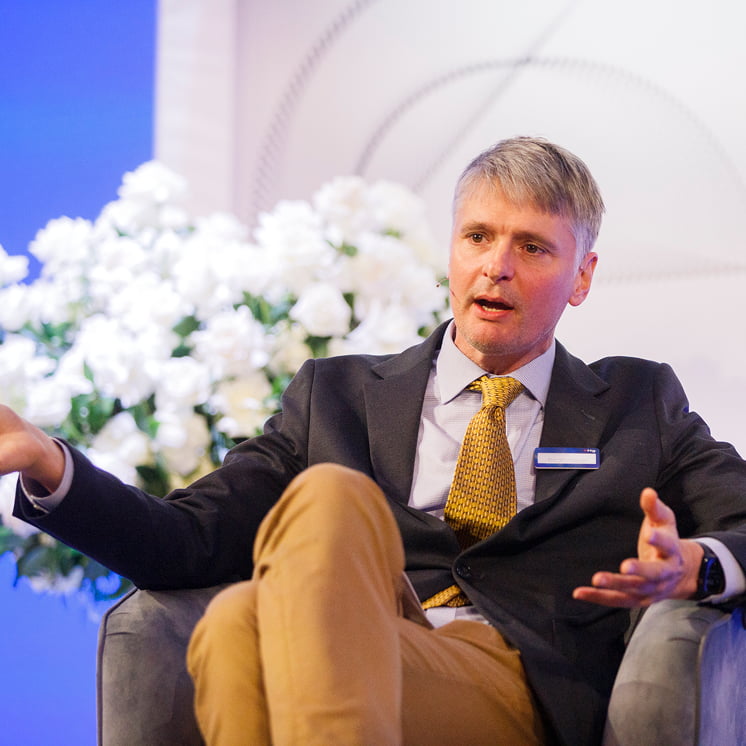
Orbit Podcast
Skin in the game: Professor Neil Lawrence on vulnerability, accountability and why the next generation will thrive.
Episode details
Orbit Podcast
The 3 speed problem: Oji Udezue on CPO leadership in the age of unlimited engineering
Episode details
Orbit Podcast
Fevered determination: Building Zalos from zero to enterprise in 5 weeks
Episode details
Orbit Podcast
Trust, velocity, and building the Answer Engine: Dmitry Shevelenko of Perplexity speaks to Farouk Hussein
Episode details
Orbit Podcast
The long road to the last mile: Nic Humphries and Matthew Brockman reflect on 25 years of Hg
Episode details
Orbit Podcast
AI, Control Points, and the Next Wave of Vertical SaaS with Tidemark Capital founder, Dave Yuan
Episode details
Orbit Podcast
A glimpse of the next generation: Zoe Zhao and Annalise Dragic of Azlin Software
Episode details

Orbit Podcast
The business case for AI: Brent Hayward of Salesforce, David Carmona of Microsoft & Nagraj Kashyap of Touring Capital
Episode details
Orbit Podcast
Mastering the billion-dollar software playbook: Joe Lonsdale of 8VC & Eric Poirier of Addepar
Episode details
Orbit Podcast