Hg Digital Summit 2026: AI transformation in practice
• 1 minute read
Two days. Three cities. One question: what does AI transformation actually look like on the ground?
At our Silicon Valley Leadership Summit earlier this year, the mandate was clear: don't sprinkle AI on existing processes, re-engineer operating models from the ground up and deliver transformative value to customers. At this year's Hg Digital Summit in Paris, we saw what that looks like in practice.
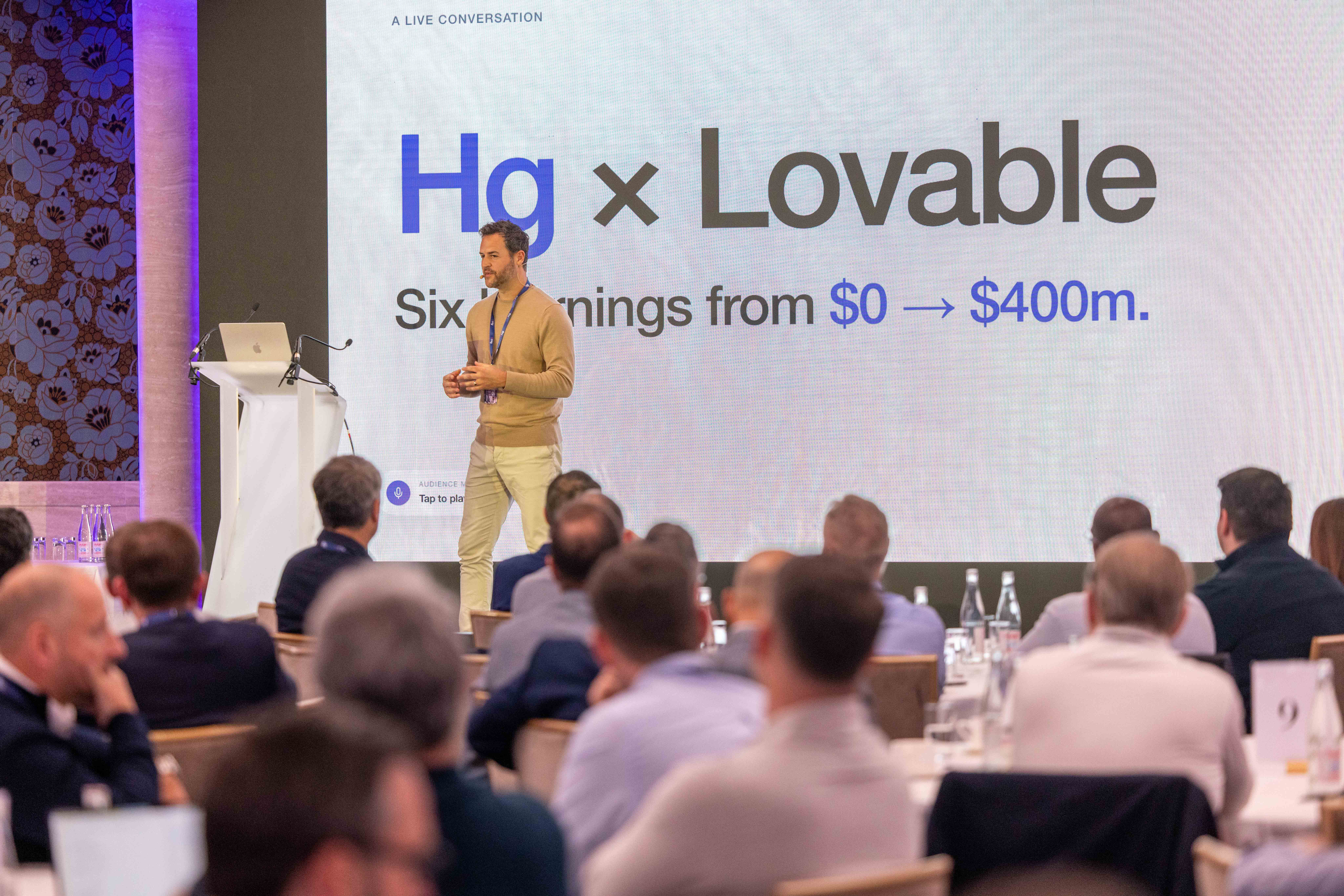
Product, AI and Tech leaders from across the portfolio came together to share what's working, what isn't, and what comes next. The Hg portfolio has scaled its AI impact 5x since last year's event and that pace is not slowing. The Access Group showed what an AI-first R&D operating model looks like at scale: over 2,000 engineers restructured around it, with +4x productivity to show for it. Leading AI companies including Intercom, Pendo.io, Onyx, Pydantic, depthfirst and Lovable shared how they build and ship AI product.
Across every session, one theme kept recurring: this is a cultural, talent and organisational transformation, not just a technical one.
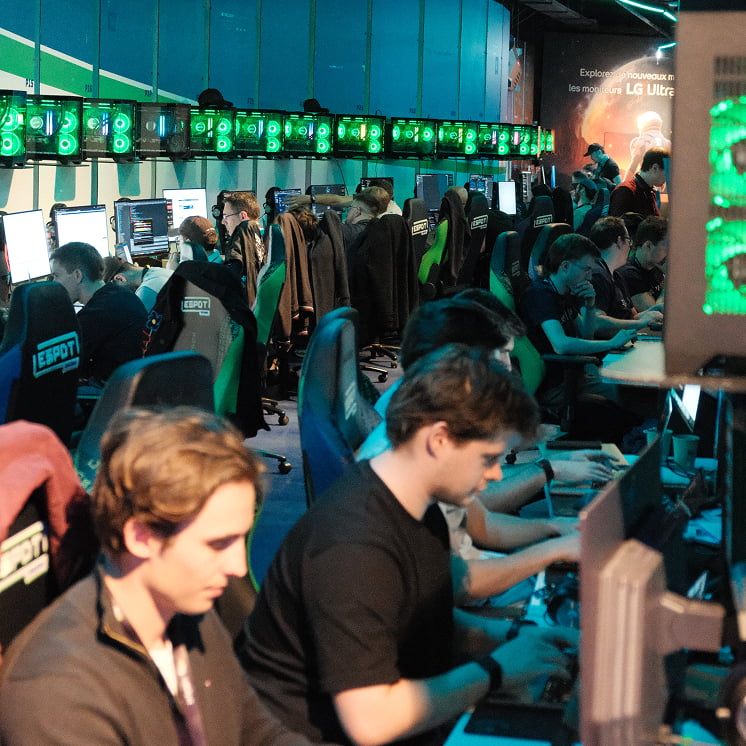
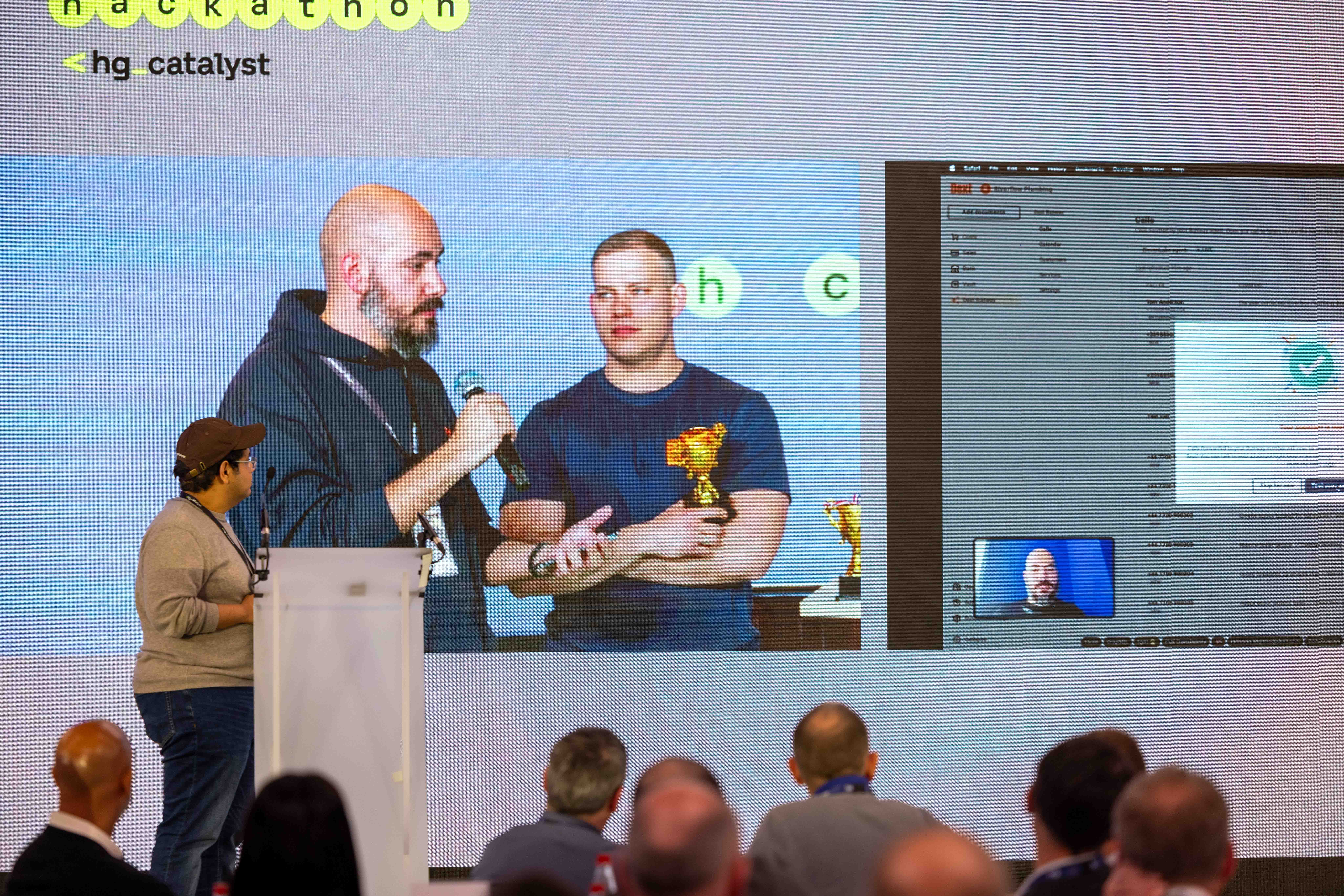
Running in parallel: the first Hg Catalyst hackathon, in partnership with Anthropic, with over 200 engineers, PMs, designers - and one CFO - across 47 teams in London, New York and Paris, building real AI products for their customers, live-streamed to digital leaders at the Summit.
The themes that kept recurring: don't just build faster horses; obsess over adoption, not just tooling; and the ecosystem advantage of 60 portfolio companies transforming together is itself a competitive edge.
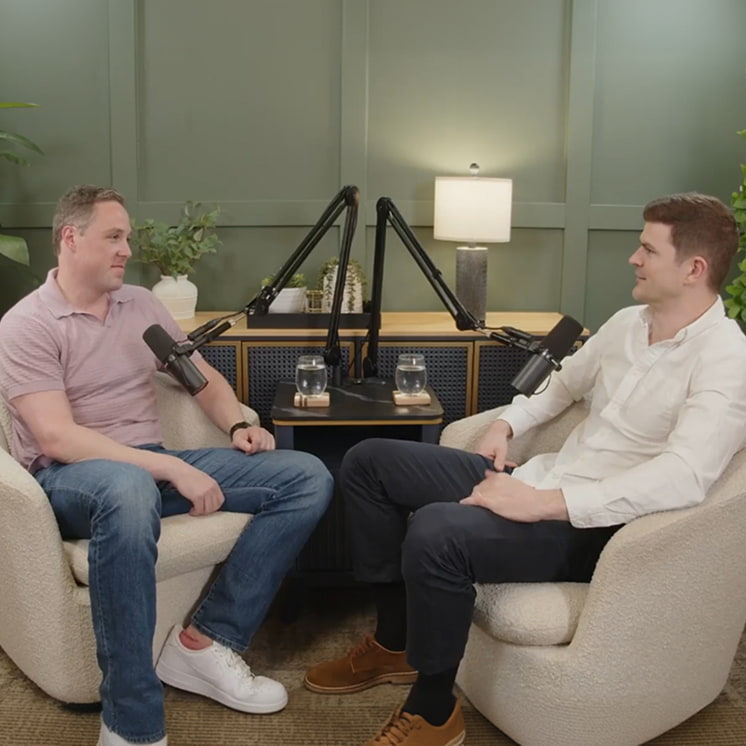
Watch the event video below, and explore two Orbit episodes recorded live at the Summit.
Orbit 62: Patrick Debois on why context is the new code
The engineer who coined "DevOps" in 2009 thinks he is watching the same pattern play out again, only faster. Joining Nathaniel Barnes, Hg's portfolio CTO, at the Digital Summit in Paris, Patrick maps the parallels between the DevOps movement and what is happening now with AI agents in software teams.
He unpacks why the maturity of a company's CI/CD pipeline is the single best predictor of how well it will absorb AI, introduces his four-phase context development lifecycle, and makes the case that the companies winning right now are the ones that skipped the 27-step rollout plan and just started. As Patrick puts it: "We are at the age where it doesn't need to be perfect. We just need to be there."
Orbit 63: The rogue agent problem, a conversation with Gil Elbaz
As AI agents proliferate inside enterprises, the attack surface has fundamentally changed. Gil Elbaz, Co-Founder and Chief AI Officer at Onyx Security, joins John Cranmer at the Digital Summit to explain why the old boundary between what is yours and what is not has collapsed, and why every agent, every MCP and every tool connection is now part of the perimeter.
The conversation covers shadow AI inside organisations, rogue agents taking destructive actions they were never asked to take, and the rise of offensive AI systems capable of finding more zero-days in weeks than internal red teams find in years. Gil's core argument: visibility first, then policy, then runtime protection. The right seatbelt is what lets you drive faster.


Related Articles